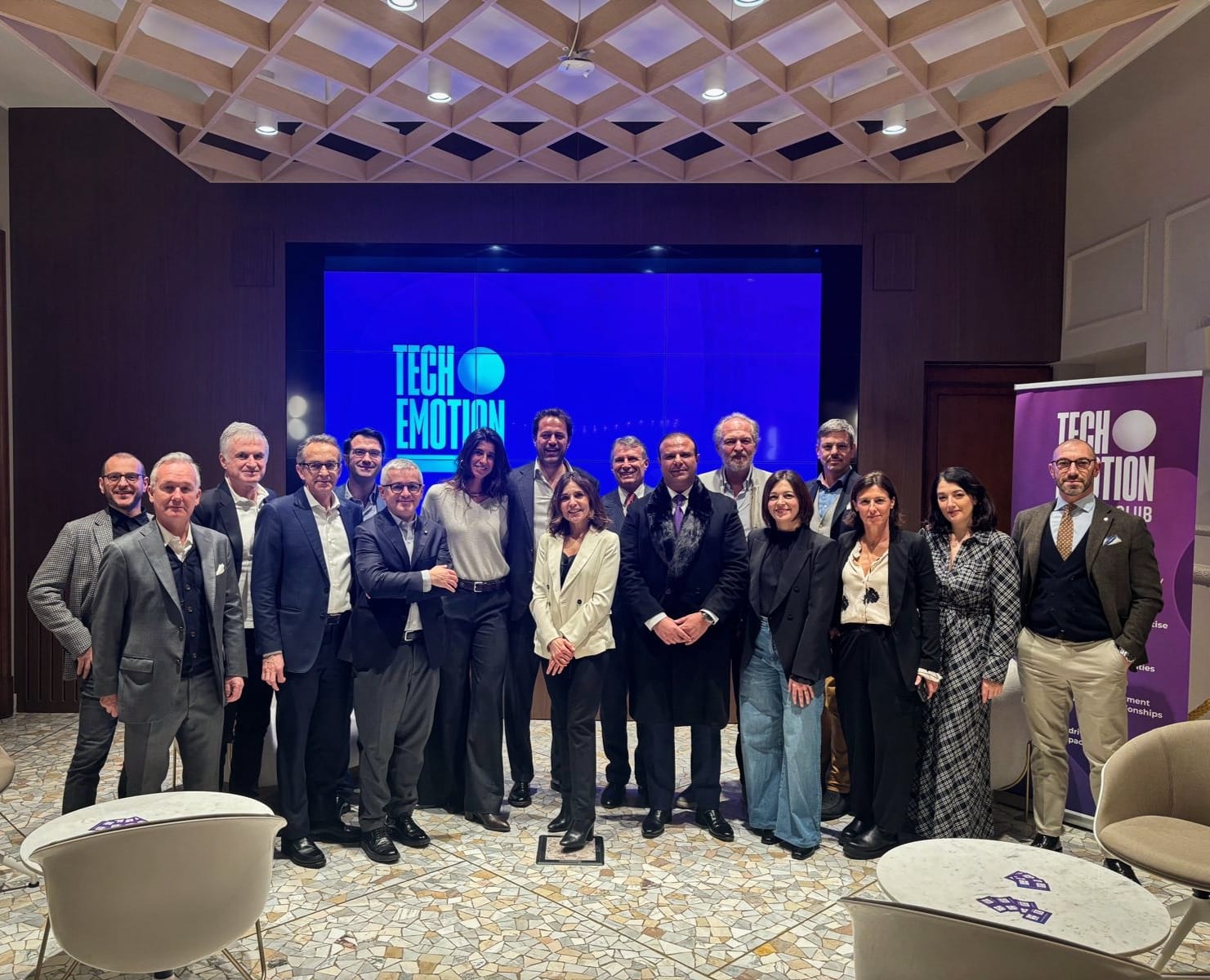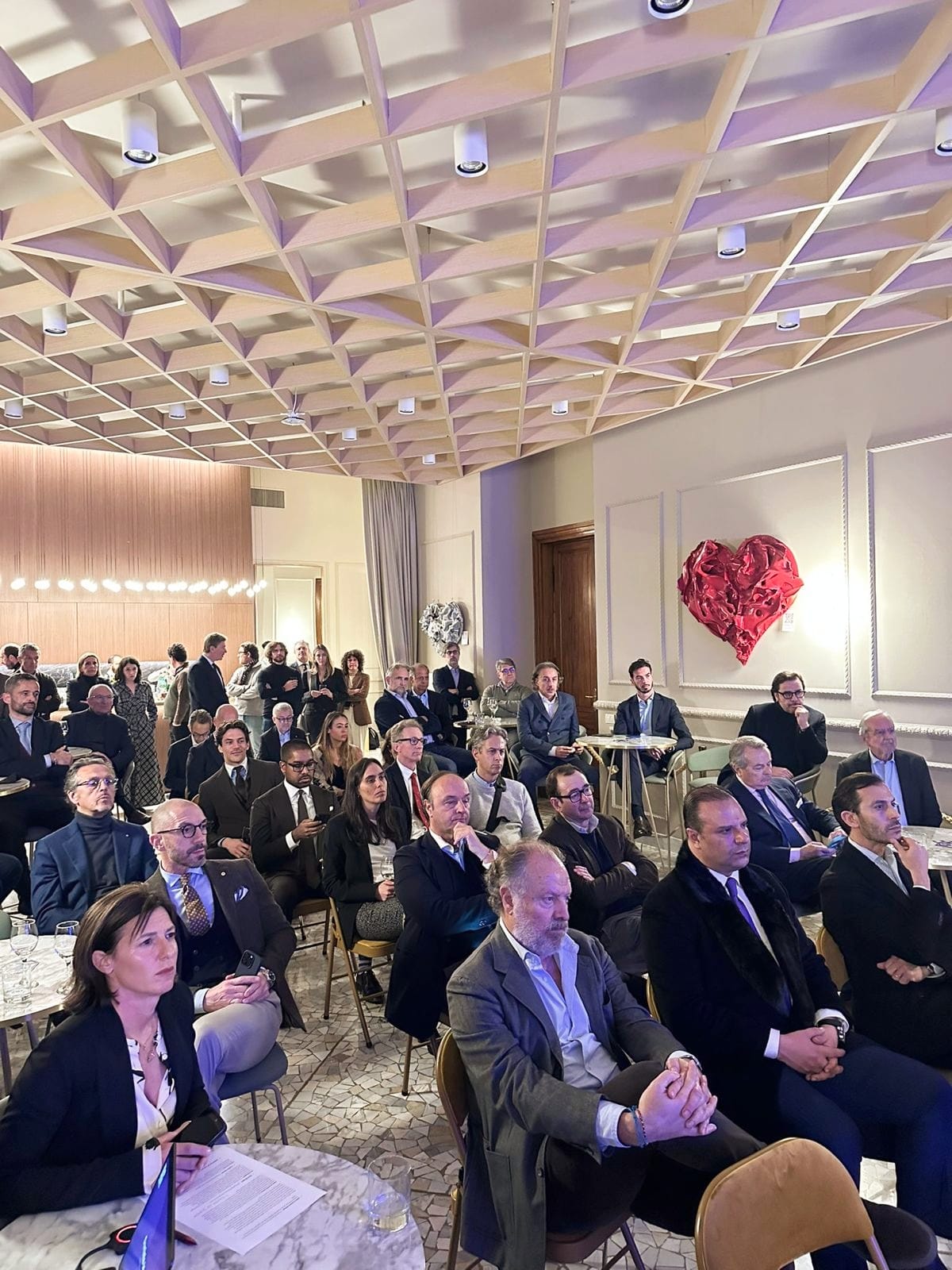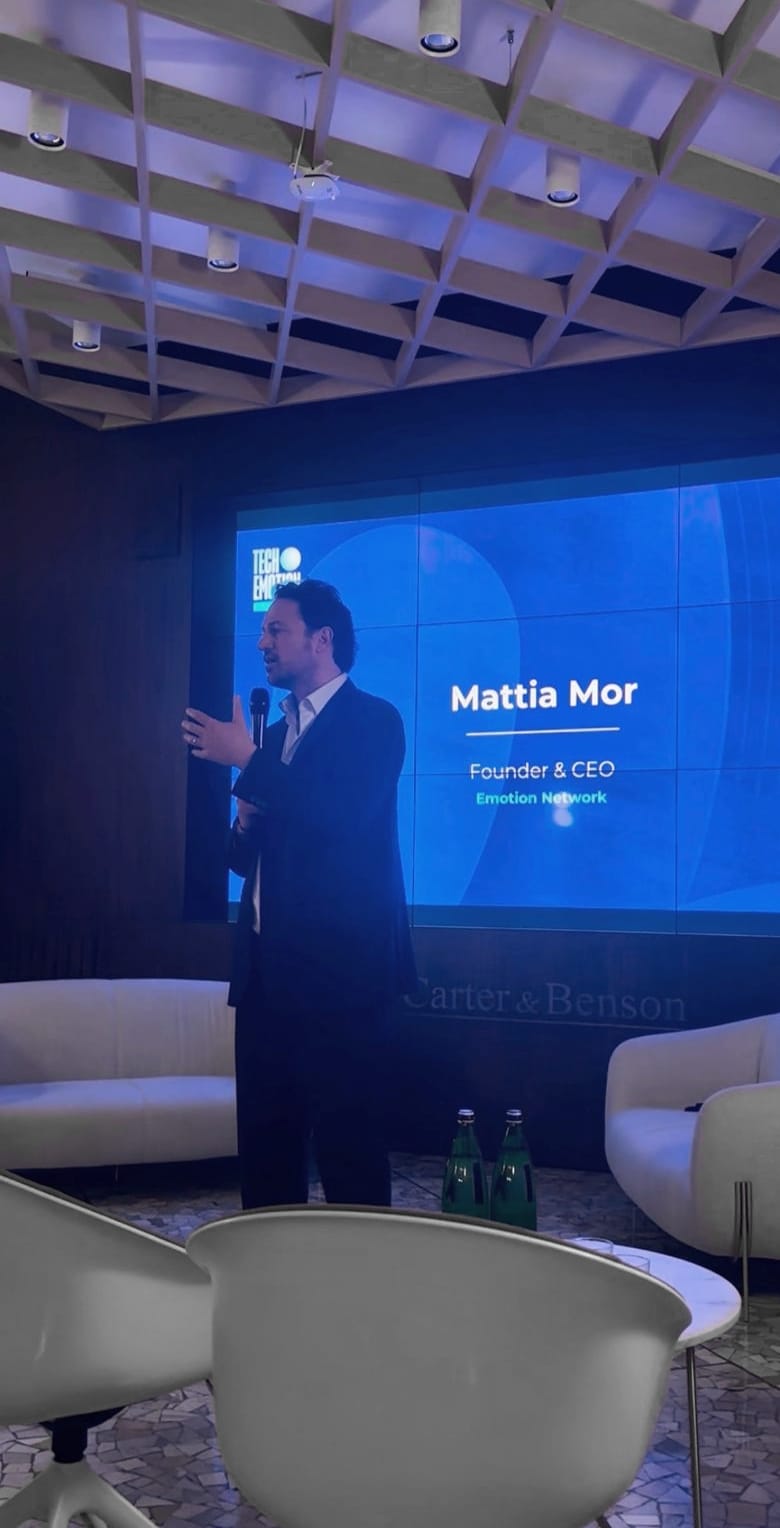
Immersed in the Olympic spirit of Milano Cortina 2026 and looking ahead to the fifth edition of the Tech.Emotion Summit, we brought together the members of the Tech.Emotion Club and a selection of guests to discuss what sports have always taught us: agility as a mental, emotional, and relational dimension.
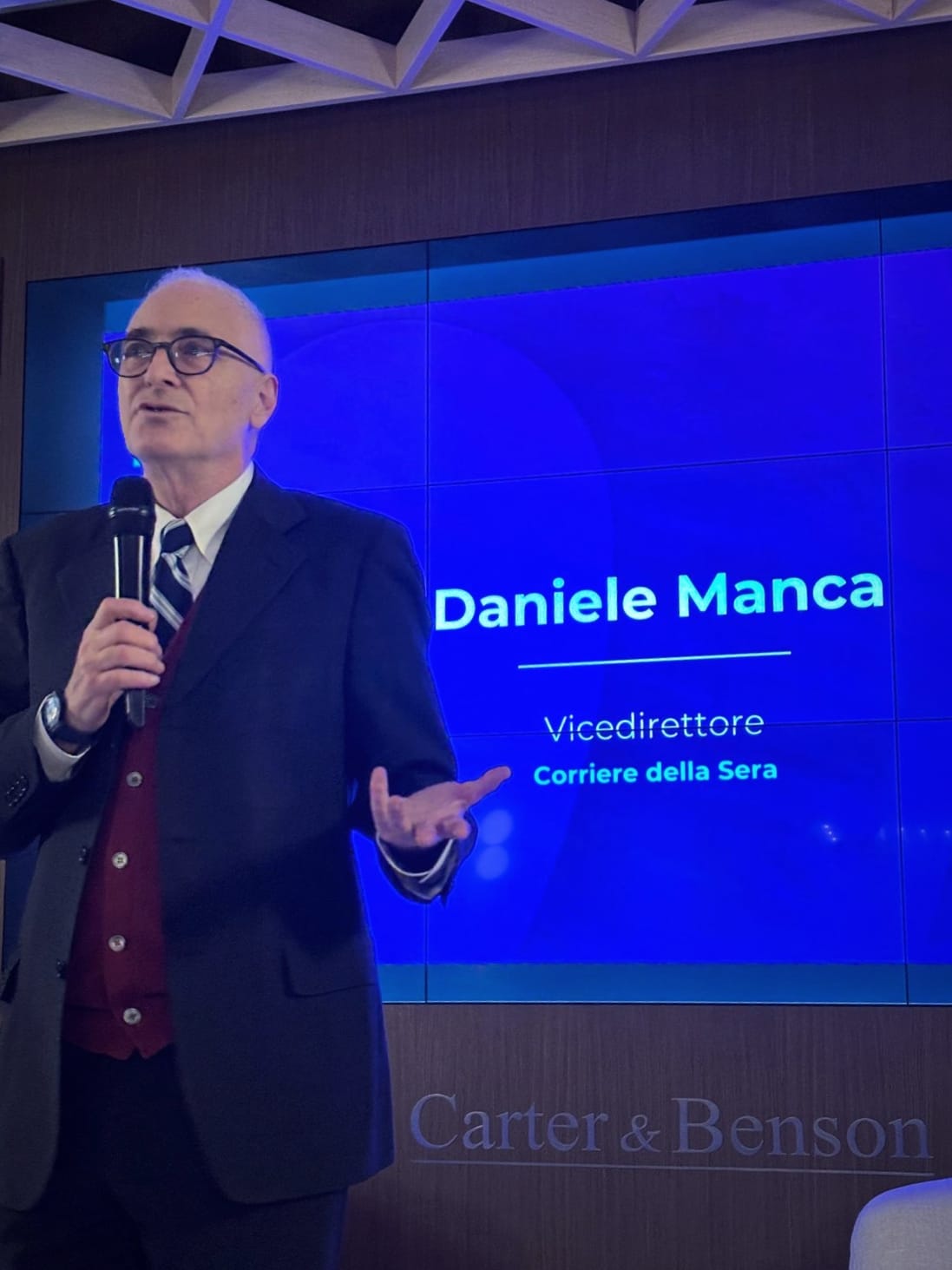
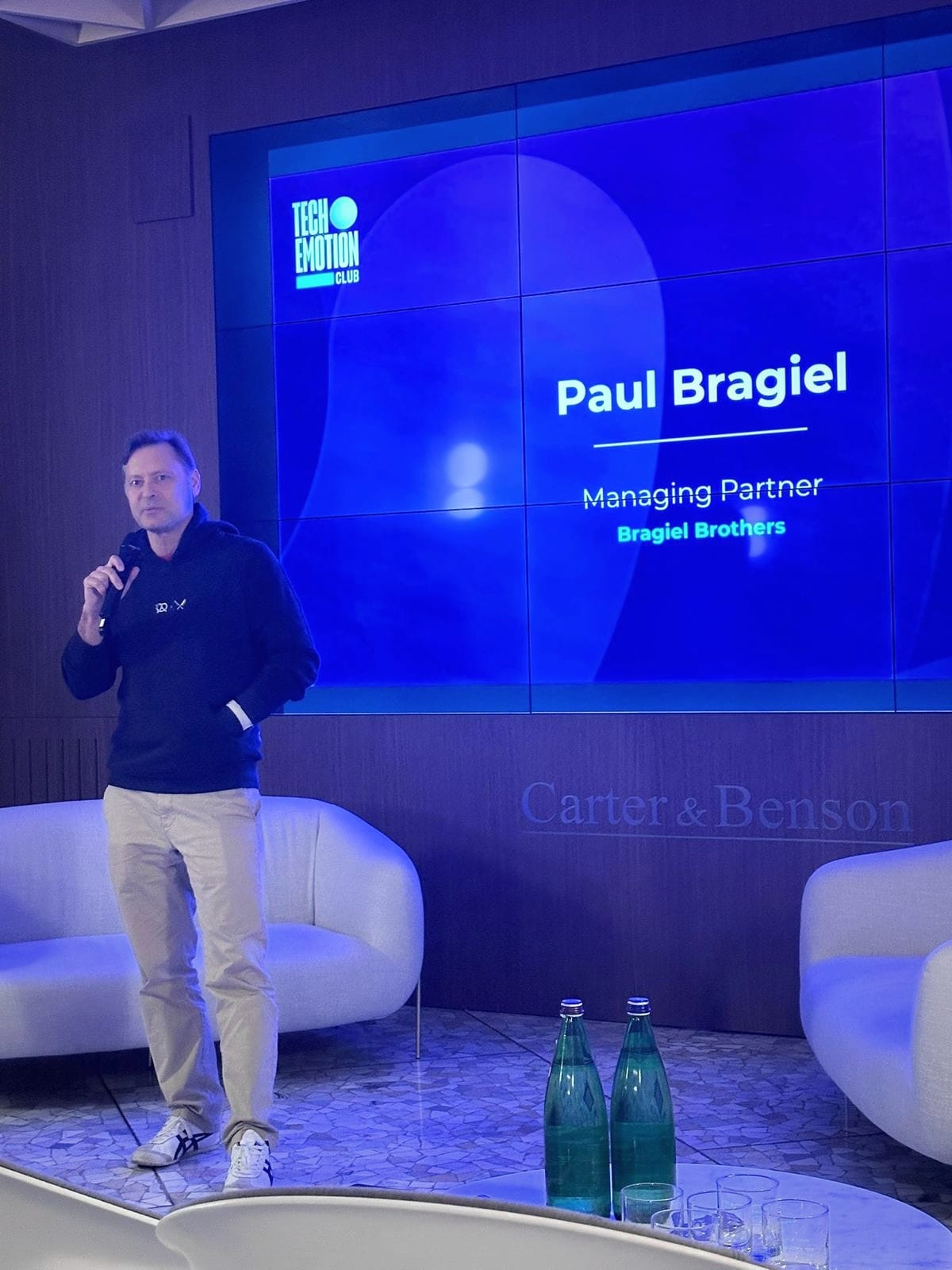
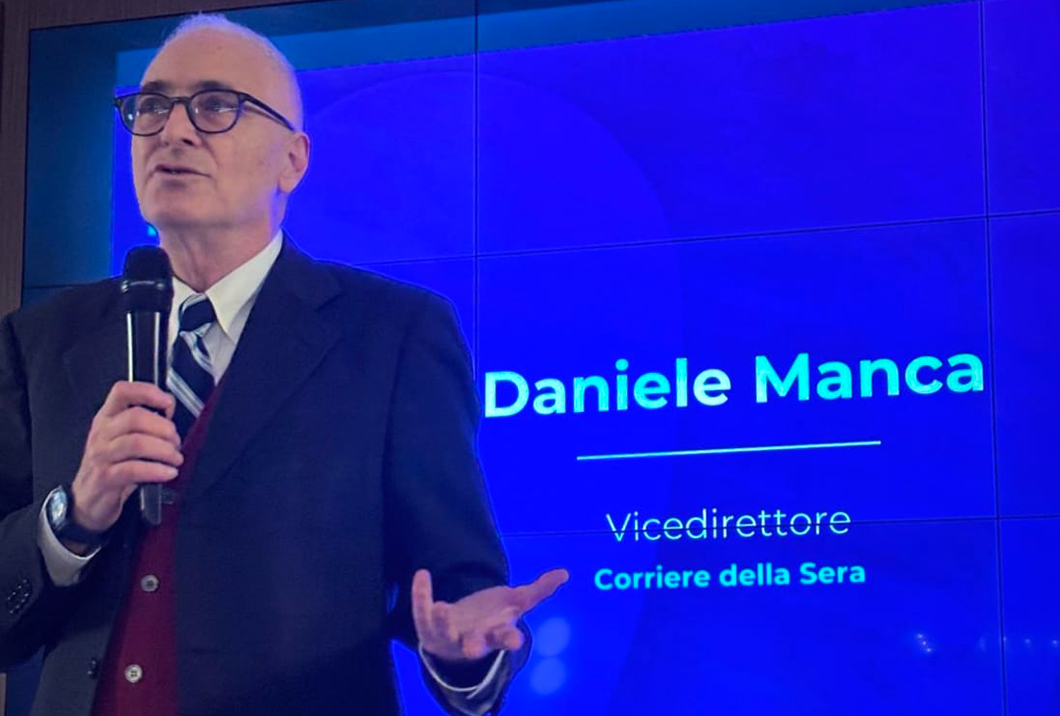
Through the contributions of Daniele Manca, Corrado Passera, Assia Grazioli-Venier, and Paul Bragiel, we explored a word that carries multiple meanings – one that can serve as a compass for businesses and individuals striving to navigate contexts of uncertainty.
The Tech.Emotion Cocktail on February 9th thus marked the beginning of the journey toward the Tech.Emotion Summit 2026, which will be held on May 27th and 28th at Triennale Milan under the title “AGILITY | Surfing the unknown”. A true ‘act zero’ to begin reflecting, learning, and seeking inspiration.
From the isolated frame to awareness
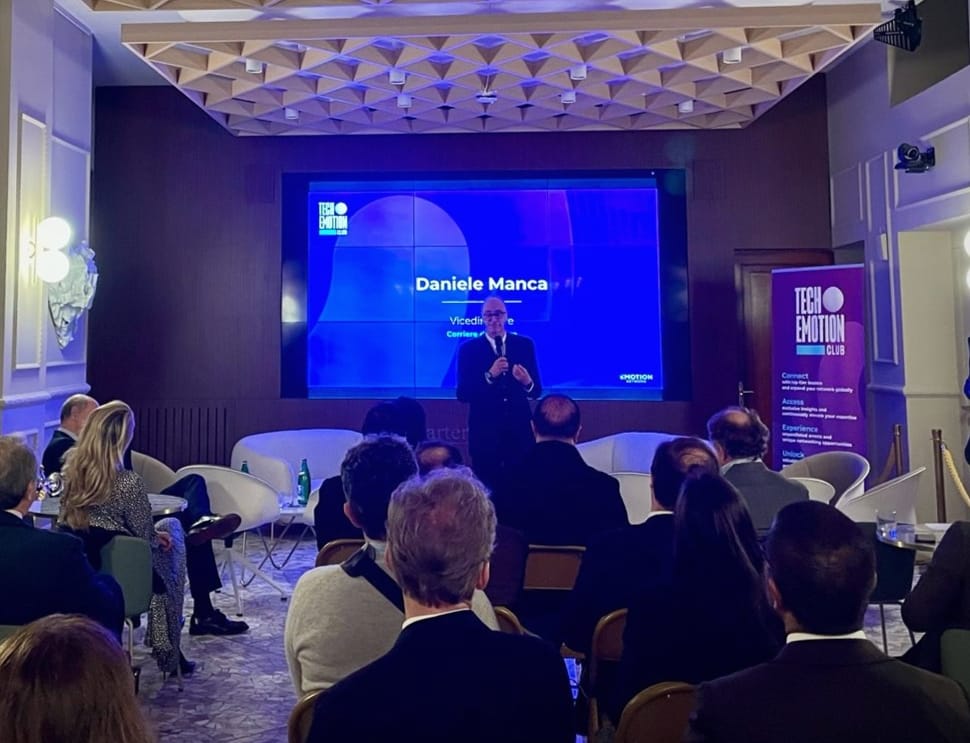
With Daniele Manca, deputy editor of Corriere della Sera, we slowed our gaze. In an era where images, videos, and news arrive with such force that they demand an immediate reaction, the risk is mistaking impact for understanding.
Building the front page of a major newspaper is, instead, an exercise in method, not an instinctive act. It means spending hours with dozens of people – discussing, selecting, and organizing. Not to eliminate complexity, but to weave together the day’s events and deliver a coherent, readable picture.
In this context, agility does not coincide with speed of reaction. Rather, it is the ability to avoid being captured by the dominant frame and to connect information in a conscious, deliberate way.
Beyond the zero-sum game
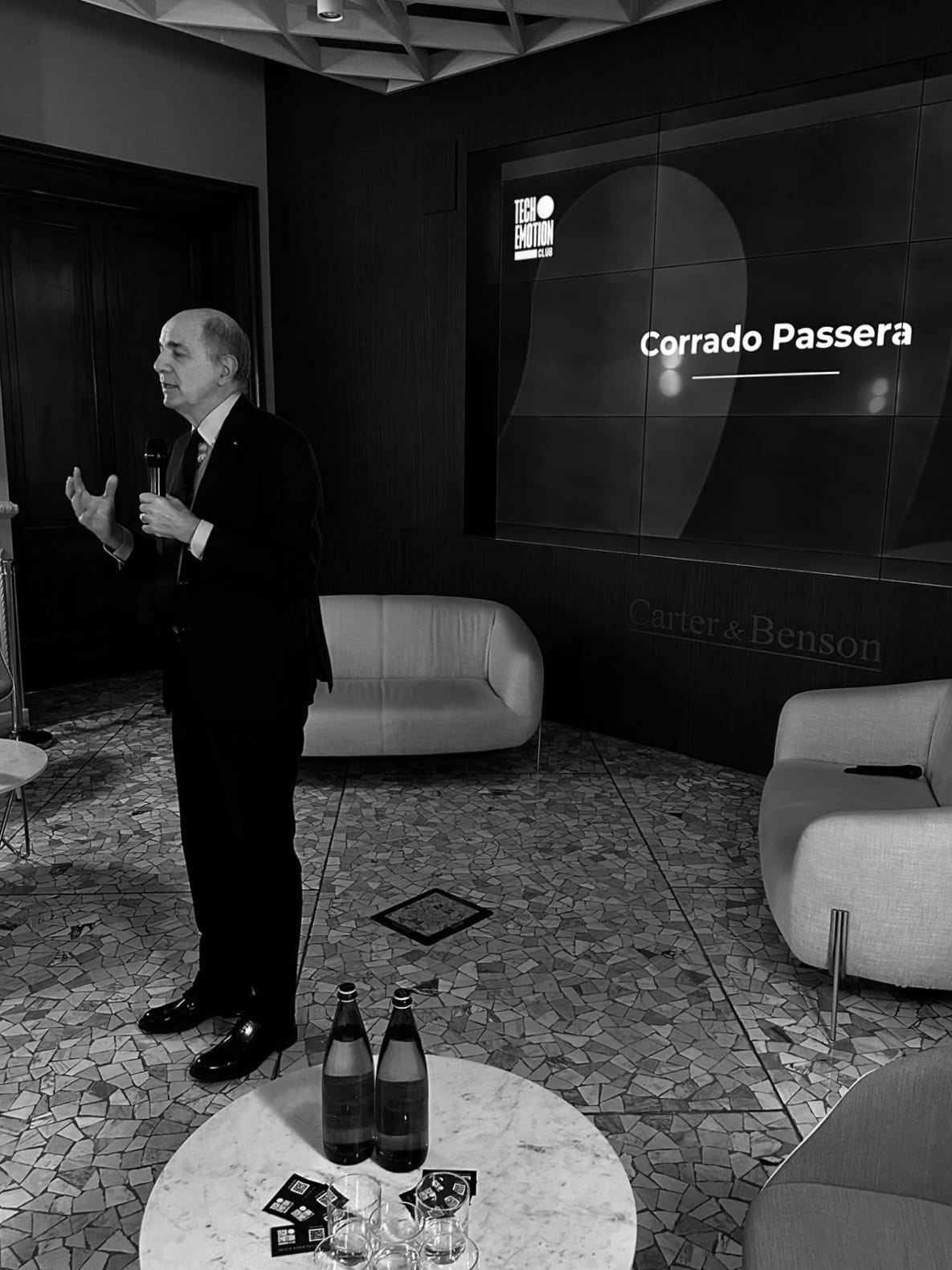
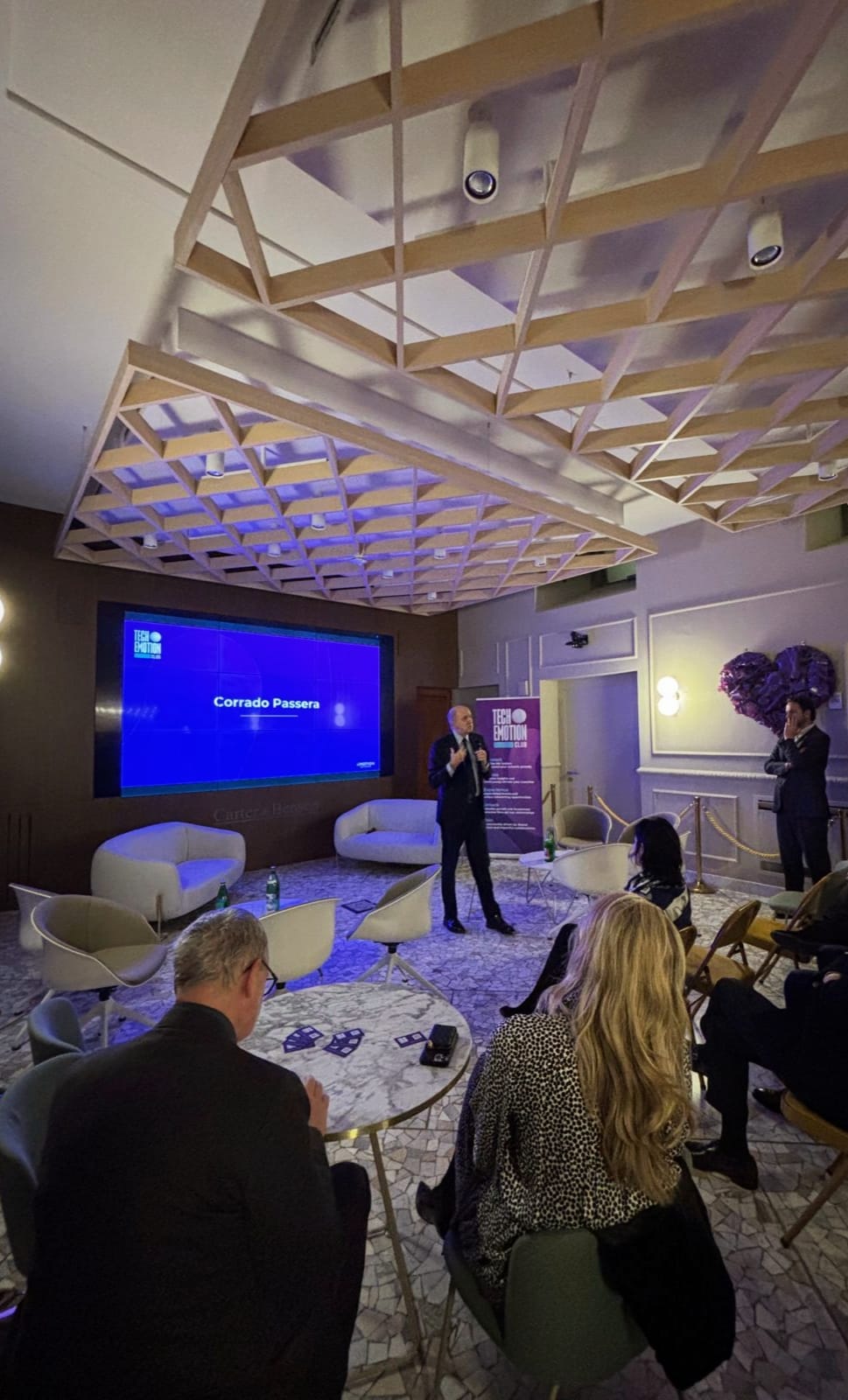
Corrado Passera, former Minister of Economic Development, Infrastructure, and Transport – who will also be a speaker at the Tech.Emotion Summit 2026 – recalled the major crises of the last fifteen years, from the 2008 financial crisis and sovereign debt issues to the most recent geopolitical tensions, emphasizing that none of these were overcome by retreating into defensive positions.
It is an explicit challenge to the zero-sum game: the idea that if one wins, someone else must lose. There are many examples of companies and countries that have created value by collaborating and building alliances, rather than defending existing structures.
In his reflection, Passera also cited Europe: not as an ideal project, but as a system that worked when it chose pragmatism, moving forward on specific objectives. In this framework, agility is also the willingness to change course, to revise priorities in the name of a common goal, and to avoid confusing stability with stagnation.
Agility as a systemic choice
With Assia Grazioli-Venier, Founding Partner of Muse Capital and Muse Sport, and Board Director & Co-owner of SailGP Italy – we explored a system where agility is visible, measurable, and non-negotiable. SailGP is an international high-speed racing circuit: identical catamarans, nine crew members on board (men and women together), and speeds approaching 100 km/h. There is no technological advantage that can compensate for organizational weakness. The boats are the same for everyone; what makes the difference is how the team has been built and prepared.
In such an extreme context, the lone hero does not exist. Every movement is coordinated, every role defined in advance. When everything accelerates, there is no room for improvisation: either the system holds, or it breaks. In this scenario, agility is not speed – it is design.
The same logic permeates the world of investments and startups. In the sectors where Grazioli-Venier operates – from consumer tech to women’s health – impact is not born from isolated talent, but from the alignment of skills, capital, and governance. Agility, then, is not an individual quality, but a structural choice.
When agility is born from failure
The trajectory of Paul Bragiel – Managing Partner of Bragiel Brothers – introduces a dimension of agility that does not coincide with performance, but with transformation. An entrepreneur and investor in Silicon Valley, at the age of thirty-five he decided to pursue a seemingly unreasonable goal: qualifying for the Winter Games in cross-country skiing, a discipline he had never practiced. He moved to Finland to train, obtained Colombian citizenship to compete, and built a path around him that began to look possible.
Then the project came to a halt: illness, withdrawal, media exposure, and the end of a dream cultivated in the public eye. Not a tactical failure, but the closing of a personal trajectory.
This is where agility changes its nature. It is no longer a push toward an individual goal, but a redefinition of one’s role. Bragiel transitioned from aspiring athlete to working as a coach and team builder in the Olympic world, helping build teams and pathways for other nations. The energy does not fade: it is redistributed.
“And that’s the Olympic spirit: you go out there, you push your limits as hard as you can, and you try your best”
In this transformation, agility is not rhetorical resilience, but the capacity to reorient one’s ambition when the context makes it unattainable. It is not stubbornness, but the conversion of failure into infrastructure for others.
Towards the 2026 Summit
The reflections that emerged do not offer a single, one-size-fits-all definition of agility, but rather show how it takes shape in practice: in the daily work of those who must bring order to chaos; in the economic and institutional decisions that reject the logic of permanent conflict; in the intentional building of teams; and in the capacity to transform failure into a shared path.
Join us at Triennale Milan on May 27th and 28th, 2026, to discover even more new meanings during the fifth edition of the Tech.Emotion Summit.